
Ripstop Tent Canvas Care
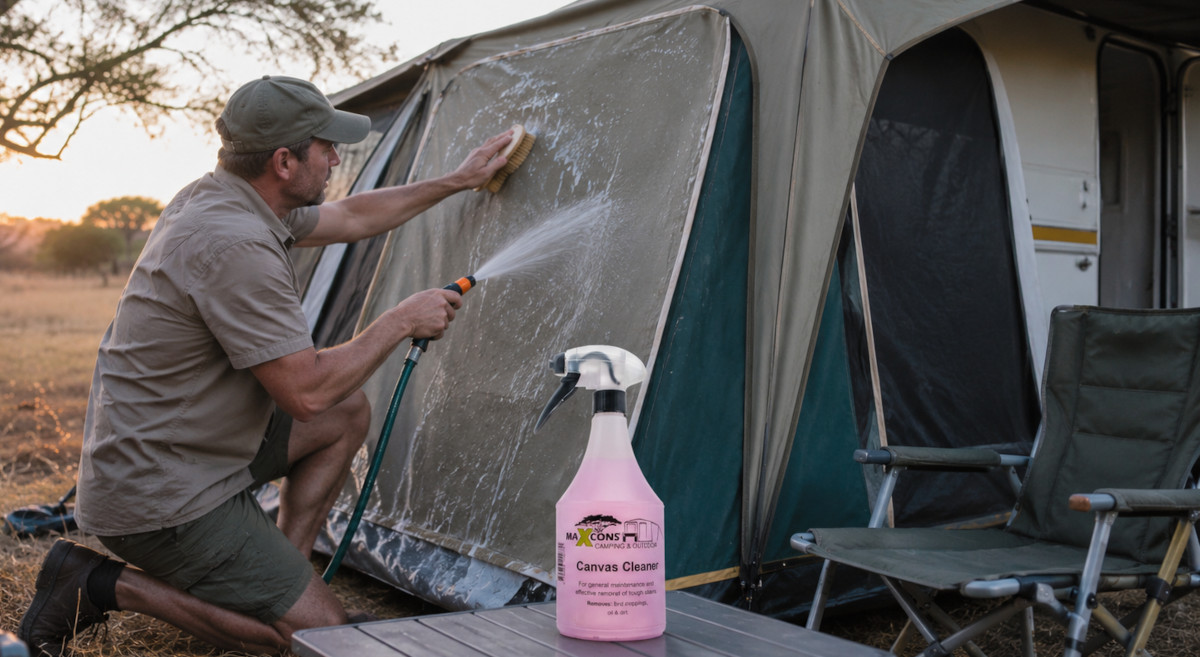
Ripstop tent canvas needs regular cleaning, correct drying, and careful storage if you want it to last. The safest approach is gentle cleaning with water, a soft brush, and a mild canvas-safe cleaner, not aggressive washing or harsh chemicals.
Many South African campers use ripstop canvas in caravan tents, rally awnings, gazebo sides, ground tents, and camping shelters. These items are exposed to sun, wind, dust, rain, bird droppings, tree sap, mildew, smoke, and coastal air, so the fabric must be cleaned and stored correctly.
What Ripstop Canvas Is
Ripstop is not one specific material. It is a fabric construction method where stronger threads are woven into the cloth in a grid pattern to help stop small tears from spreading.
This is why ripstop canvas is popular for outdoor use. A small cut or puncture is less likely to run across the whole panel, although the fabric can still be damaged by abrasion, UV exposure, mildew, poor storage, or rough cleaning.
Ripstop canvas used in camping equipment may be cotton, polyester, nylon, polycotton, or another treated fabric blend. The correct cleaning method can therefore differ between brands, so the manufacturer’s instructions should always take priority.
The Main Rule: Clean Gently
For most ripstop tent canvas, gentle cleaning is safer than pressure washing. Use a soft brush, sponge, clean water, and a mild canvas-safe cleaner when needed.
A normal garden hose can be used to rinse loose dirt from the fabric. Do not use a strong jet setting directly against seams, zips, windows, stitching, or waterproofed areas.
Avoid bleach, strong detergents, solvents, fabric softeners, pre-soaking chemicals, and household spot removers unless the tent maker specifically recommends them. These products may damage waterproof treatments, weaken fibres, or leave residue in the fabric.
Should You Pressure Wash Ripstop Tent Canvas?
Pressure washing should not be the first choice for cleaning ripstop tent canvas. It may remove visible dirt quickly, but it can also damage seams, force water through stitching, loosen waterproofing, and put strain on older fabric.
If a tent is already sun-damaged, brittle, mould-stained, or weak at the seams, pressure washing can make the problem worse. High-pressure water can also lift flaking coatings or open weak points that were not obvious before cleaning.
Some campers still use pressure washers on older caravan tents or heavy canvas, but this should be treated as a risk. If it is done at all, use the lowest practical pressure, keep the nozzle well away from the fabric, avoid seams and zips, and test a hidden area first.
For most owners, the safer answer is simple: do not pressure wash unless the manufacturer or a professional tent-cleaning service says it is suitable for that specific canvas.
Why High Pressure Can Damage Canvas
A pressure washer cleans by force. That force can remove mud, dust, bird droppings, and mildew marks, but it can also remove protective treatments and stress the fabric.
Tent canvas is not the same as concrete, paving, or a bakkie load bin. It has fibres, stitching, coatings, seam tape or sealant, zips, mesh, and sometimes plastic windows.
When high-pressure water hits these areas, the damage may not be visible immediately. The tent may look clean after washing but leak later because proofing or seams have been affected.
When to Clean a Ripstop Tent
Clean the tent after long trips, dusty camps, wet camps, coastal trips, or heavy bird-dropping exposure. You do not need to deep-clean a tent after every short weekend if it is still dry and fairly clean.
Always clean and dry the canvas before long-term storage. Dirt, moisture, food marks, and organic stains can encourage mould, mildew, insects, and fabric deterioration.
Bird droppings and tree sap should be dealt with as soon as practical. These marks can be acidic or sticky, and they become harder to remove if left on the fabric for a long time.
Step-by-Step Cleaning Method
First, pitch the tent or spread the canvas out on a clean surface. Make sure the area is free from stones, thorns, oil, grease, and sharp edges.
Brush off dry dust, sand, leaves, and loose dirt with a soft brush. Do this before adding water, because wet dust can become mud and move deeper into the weave.
Rinse the canvas lightly with clean water. A normal hose is usually enough for loose dirt.
Mix a mild canvas-safe cleaner with water if plain water is not enough. Use a soft sponge or brush, and clean the fabric in sections.
Do not scrub aggressively. Heavy scrubbing can roughen the surface, affect proofing, and push dirt into the fabric.
Rinse thoroughly with clean water after cleaning. Soap residue left in canvas can attract dirt and may interfere with future waterproofing.
Cleaning Seams, Zips, and Windows
Seams need extra care because they are common leak points. Do not aim strong water pressure directly at stitching, seam tape, or seam sealant.
Zips should be brushed clean with a soft brush to remove dust and grit. Do not force a dirty zip open or closed, because fine sand can damage the teeth or slider.
Clear plastic windows should be washed gently with water and a soft cloth. Avoid abrasive brushes, strong cleaners, and dry wiping, because these can scratch the surface.
Mesh panels should also be handled carefully. They can tear if scrubbed or blasted with water.
How to Deal With Mildew
Mildew usually appears when canvas is packed away damp or stored where there is poor airflow. Prevention is better than removal.
If mildew is light, brush the area gently when dry, then clean with a mild canvas-safe cleaner according to the product instructions. Rinse well and dry completely.
Do not automatically use bleach on tent canvas. Bleach may lighten stains, but it can also weaken fabric and affect waterproofing.
If mildew is heavy or the canvas smells musty after cleaning, consider a professional canvas cleaner. Deep mildew can damage fibres, so cleaning may improve appearance without fully restoring strength.
Drying Is Not Optional
A tent must be fully dry before storage. This is one of the most important parts of canvas maintenance.
Pitch the tent or hang the canvas in a shaded, well-ventilated area until it is dry on both sides. Turn folds, corners, valances, and thick seams so trapped moisture can escape.
Avoid leaving canvas in harsh sun for longer than needed. Sunlight helps drying, but long UV exposure gradually weakens fabric and can fade colours.
Do not use a tumble dryer, heater, fire, or hot exhaust air to dry tent canvas. Heat can damage coatings, plastic windows, stitching, and synthetic fibres.
Waterproofing and Reproofing
Cleaning can reduce water repellency, especially if the fabric was scrubbed, cleaned with the wrong product, or washed many times. After cleaning, test the canvas with light water spray once it is dry.
If water beads and runs off, the proofing may still be working. If water soaks into the fabric instead of beading, the canvas may need reproofing with a suitable tent or canvas waterproofing product.
Use a product made for the specific fabric type where possible. Cotton canvas, polycotton, nylon, and polyester may require different proofing products.
Apply waterproofing only to clean, dry fabric unless the product instructions say otherwise. Follow the product directions carefully, especially for drying time and ventilation.
Storage Tips for Ripstop Canvas
Store the tent only when it is clean and completely dry. Even a small amount of trapped moisture can cause mildew during storage.
Use a cool, dry storage area with airflow. Avoid damp garages, wet floors, direct sunlight, and areas where rodents or insects can reach the canvas.
Do not store the tent under heavy items that create permanent creases. If possible, store large canvas sections loosely rather than tightly compressed for months.
Check stored canvas every few months. Open the bag, smell for mustiness, check for insects or rodents, and confirm that no moisture has entered the storage area.
Repairs and Small Tears
Ripstop fabric helps stop small tears from spreading, but it does not repair itself. Any tear should be repaired before the next trip.
Small holes can often be patched with a tent repair patch or fabric repair tape suitable for outdoor gear. Larger tears, failed seams, broken zips, and damaged windows should be repaired by a canvas or tent repair service.
Always clean and dry the repair area before applying a patch. A patch placed over dust, oil, or damp fabric may not bond properly.
What Not to Do
Do not pack the tent away wet. This is the fastest way to create mildew and odour.
Do not use bleach, strong detergents, solvents, or fabric softener unless the manufacturer allows it. These products can damage waterproofing and fabric structure.
Do not machine wash or tumble dry a tent. Washing machines can strain fabric, mesh, seams, and coatings, while dryers can cause heat damage.
Do not pressure wash seams, zips, windows, mesh, or old fabric. These are high-risk areas.
Do not leave the tent standing in full sun for weeks when it is not being used. UV exposure weakens outdoor fabrics over time.
Practical Maintenance Checklist
| Task | Safer Method | Avoid |
|---|---|---|
| Loose dust and sand | Dry soft brush | Wet scrubbing first |
| Mud | Let dry, brush off, then rinse | High-pressure blasting |
| General cleaning | Water, sponge, mild canvas-safe cleaner | Bleach, solvents, harsh detergents |
| Rinsing | Normal garden hose | Pressure washer on seams |
| Drying | Shade, airflow, both sides dry | Packing damp |
| Storage | Cool, dry, breathable storage | Damp garage floor |
| Waterproofing | Fabric-specific reproofing product | Random household sealants |
| Repairs | Tent repair patch or canvas repairer | Ignoring small tears |
When to Use a Professional Cleaner
Use a professional tent or canvas cleaner if the tent is expensive, heavily mould-stained, very large, or made from an unfamiliar fabric. Professional help is also sensible if the canvas has old waterproofing, fragile stitching, damaged seams, or clear plastic windows.
A professional cleaner may also be able to reproof the canvas after cleaning. This is useful when the tent is still structurally sound but no longer sheds water properly.
Conclusion
The best way to maintain ripstop tent canvas is to clean it gently, dry it completely, store it correctly, and repair small problems early. Pressure washing should be treated as a last resort, not as normal tent maintenance.
For most campers, a soft brush, clean water, mild canvas-safe cleaner, careful rinsing, and patient drying will protect the tent better than high-pressure cleaning.
A clean, dry, well-stored tent is more likely to last through many camping seasons.



Maxcons Canvas Cleaner
Maxcons Canvas Cleaner
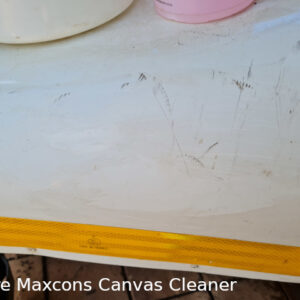
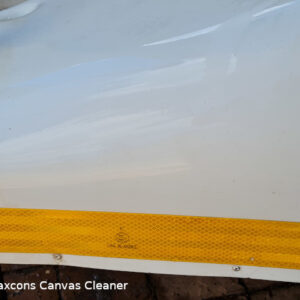
Maxcon camping accessories’ Maxcon Canvas Cleaner is a chemical canvas cleaner that does not affect the water resistance of your tent. It also does not stain the tent canvas.
It effectively cleans bird-dropping stains and dust marks on caravan tents and tent canvas.
Available on back-order
Pingback:HOE OM KOLLE UIT RIPSTOP TE WAS - AltydKampers